Cart
0
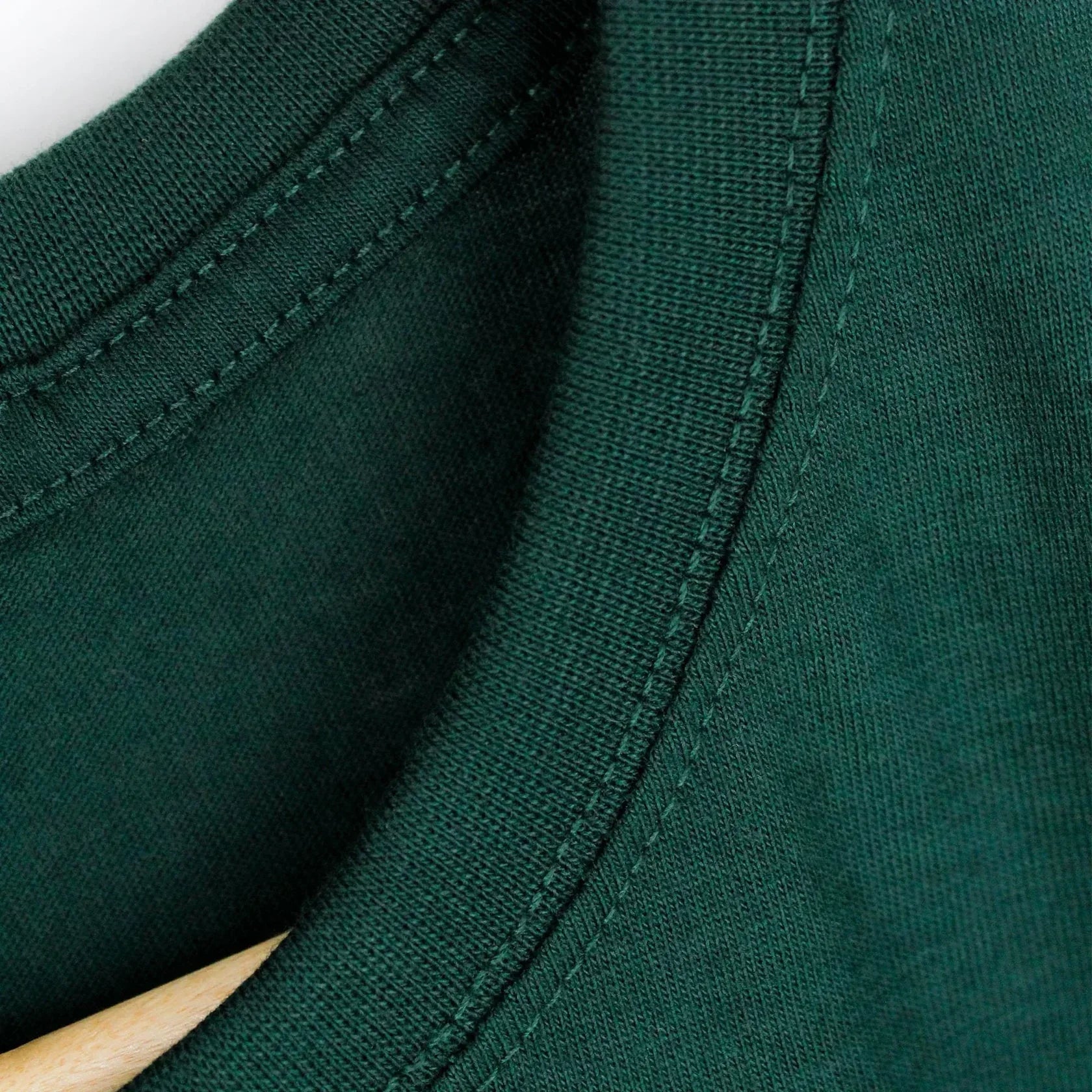
A quality cotton T-shirt is one of the most versatile pieces in any wardrobe. Whether you wear it every day or save it for special occasions, proper care helps maintain its softness, shape, and color for years. Many people accidentally shrink, fade, or damage their favorite T-shirts simply because they use the wrong washing or drying method.
In this guide, you'll learn how to wash cotton T-shirts correctly, prevent shrinking, care for white and black cotton T-shirts, and keep 100% cotton and organic cotton garments looking their best.
Why Cotton T-Shirts Need Special Care
Cotton is a natural fiber known for its softness, breathability, and comfort. However, it can shrink or lose its shape if exposed to excessive heat during washing or drying.
Proper care helps you:
- Reduce shrinking
- Preserve color
- Maintain softness
- Extend garment life
- Protect fabric quality
A few simple habits can make a significant difference in how long your favorite T-shirts last.
Read the Care Label First
Before washing any cotton T-shirt, check the care label inside the garment. Manufacturers may recommend specific water temperatures, drying methods, or ironing instructions based on the fabric and construction.
Following these instructions is the safest way to care for your clothing.
How to Wash Cotton T-Shirts
For everyday cotton T-shirts, follow these simple steps:
- Turn the T-shirt inside out before washing.
- Separate light and dark colors.
- Use a mild detergent.
- Wash with cold or cool water.
- Select a gentle wash cycle.
- Avoid overloading the washing machine.
Cold water helps reduce fading and minimizes the risk of shrinkage while still cleaning effectively.
How to Wash Cotton T-Shirts Without Shrinking
Heat is the biggest reason cotton shrinks.
To reduce shrinkage:
- Wash in cold water.
- Avoid hot water whenever possible.
- Use a gentle wash cycle.
- Remove garments promptly after washing.
- Air dry whenever you can.
- If using a dryer, choose the lowest heat setting.
These simple steps help cotton fibers retain their original size and shape.
How to Wash 100% Cotton T-Shirts
Because 100% cotton contains no synthetic fibers, it is more likely to shrink if exposed to high temperatures.
For best results:
- Wash in cold water.
- Use mild detergent.
- Avoid bleach unless recommended.
- Dry naturally or use low heat.
- Fold instead of hanging if the fabric is heavy.
Taking extra care keeps the fabric soft and comfortable over time.
How to Wash Organic Cotton T-Shirts
Organic cotton should be treated gently to preserve the natural fibers.
Recommended care:
- Cold water wash
- Eco-friendly detergent if preferred
- Gentle machine cycle
- Avoid fabric softeners if not needed
- Air dry whenever possible
This approach helps maintain both the fabric quality and the garment's lifespan.
How to Wash White Cotton T-Shirts
White cotton T-shirts can lose their brightness over time if washed incorrectly.
To keep them looking fresh:
- Wash whites separately.
- Use a detergent formulated for white fabrics if desired.
- Treat stains before washing.
- Avoid mixing with dark colors.
- Dry in indirect sunlight or according to the care label.
Prompt stain treatment also helps prevent permanent discoloration.
How to Wash Black Cotton T-Shirts
Black cotton T-shirts can fade if exposed to repeated heat and friction.
To help preserve the color:
- Turn the T-shirt inside out.
- Wash with other dark garments.
- Use cold water.
- Choose a gentle cycle.
- Avoid excessive detergent.
- Dry away from direct sunlight.
These steps reduce fading and help the fabric maintain a rich appearance.
How to Wash and Dry Cotton T-Shirts
Drying is just as important as washing.
Air Drying
Air drying is often the gentlest method because it reduces heat exposure and helps minimize shrinkage.
Tumble Drying
If you use a dryer:
- Select low heat.
- Remove the T-shirt while slightly damp.
- Smooth it by hand before finishing the drying process.
Avoid high heat, which can damage cotton fibers over time.
How to Wash Cotton Shirts So They Don't Shrink
To minimize shrinking:
- Use cold water.
- Avoid high dryer temperatures.
- Never leave clothing in a hot dryer longer than necessary.
- Follow the garment's care instructions.
- Choose quality cotton garments that are less prone to excessive shrinkage.
Good washing habits help your clothes maintain their original fit.
Common Washing Mistakes
Avoid these common errors:
- Using hot water for every wash
- Drying on high heat
- Mixing white and dark clothing
- Using too much detergent
- Ignoring care labels
- Washing heavily soiled items with delicate garments
Correcting these habits can significantly extend the life of your T-shirts.
Should You Iron Cotton T-Shirts?
Most cotton T-shirts don't require ironing if they are removed promptly after drying and folded neatly.
If ironing is needed:
- Turn the garment inside out.
- Use a low to medium heat setting.
- Avoid prolonged heat on printed designs.
This helps reduce the risk of damaging the fabric or graphics.
How Often Should You Wash Cotton T-Shirts?
The answer depends on how the T-shirt is used.
- Daily wear: Wash after each use.
- Light indoor wear: You may wear it more than once if it remains clean and fresh.
- Gym or sports use: Wash after every workout.
- Undershirts: Wash after each wear.
Keeping T-shirts clean also helps preserve the fabric by preventing dirt and oils from building up.
Why Quality Cotton Matters
Not all cotton T-shirts are made the same. High-quality cotton fabrics generally offer better durability, softness, and shape retention when cared for properly.
Choosing well-made garments and following proper washing techniques can help you enjoy them for years.
Why Choose WearTomato Cotton T-Shirts?
At WearTomato, our cotton T-shirts are designed for everyday comfort and long-lasting performance.
Our collection features:
- Premium cotton fabrics
- Comfortable everyday fits
- Breathable construction
- Durable stitching
- Timeless minimalist designs
- Fast delivery across Pakistan
With proper care, your WearTomato T-shirts will stay soft, comfortable, and stylish for many wears.
Final Thoughts
Learning how to wash cotton T-shirts correctly is one of the easiest ways to protect your wardrobe. Washing in cold water, using a gentle cycle, and avoiding excessive heat during drying can help prevent shrinking, fading, and unnecessary wear.
Whether you own white, black, 100% cotton, or organic cotton T-shirts, following these simple care tips will keep them looking and feeling their best for years.
Frequently Asked Questions
Can cotton T-shirts shrink after washing?
Yes. Cotton is a natural fiber that can shrink if washed or dried with excessive heat. Using cold water and low-heat drying helps reduce this risk.
What is the best temperature to wash cotton T-shirts?
Cold or cool water is generally the safest option for preserving size, color, and fabric quality.
Should I air dry cotton T-shirts?
Air drying is one of the best methods because it minimizes heat exposure and helps prevent shrinking.
How do I keep black cotton T-shirts from fading?
Turn them inside out, wash in cold water with similar dark colors, and avoid high heat or prolonged direct sunlight during drying.
How can I keep white cotton T-shirts looking bright?
Wash white garments separately, treat stains promptly, and follow the care label instructions to help maintain their appearance.
Is 100% cotton harder to care for?
Not necessarily. It simply benefits from gentle washing, cold water, and low-heat or air drying to maintain its original fit and feel.
Can I use a dryer for cotton T-shirts?
Yes, but using a low heat setting and removing the T-shirt while it's slightly damp can help reduce the chance of shrinkage.
Are organic cotton T-shirts washed differently?
The care is very similar to regular cotton. Gentle washing, cold water, and air drying are good practices for preserving the fabric.